Roofing
6 Types of Roofing Materials Greer Homeowners Should Know
Heat, hail, and 50 inches of rain a year decide which roofing material lasts in Greer. Here are six options compared.
September 16, 2026 · 10 min read
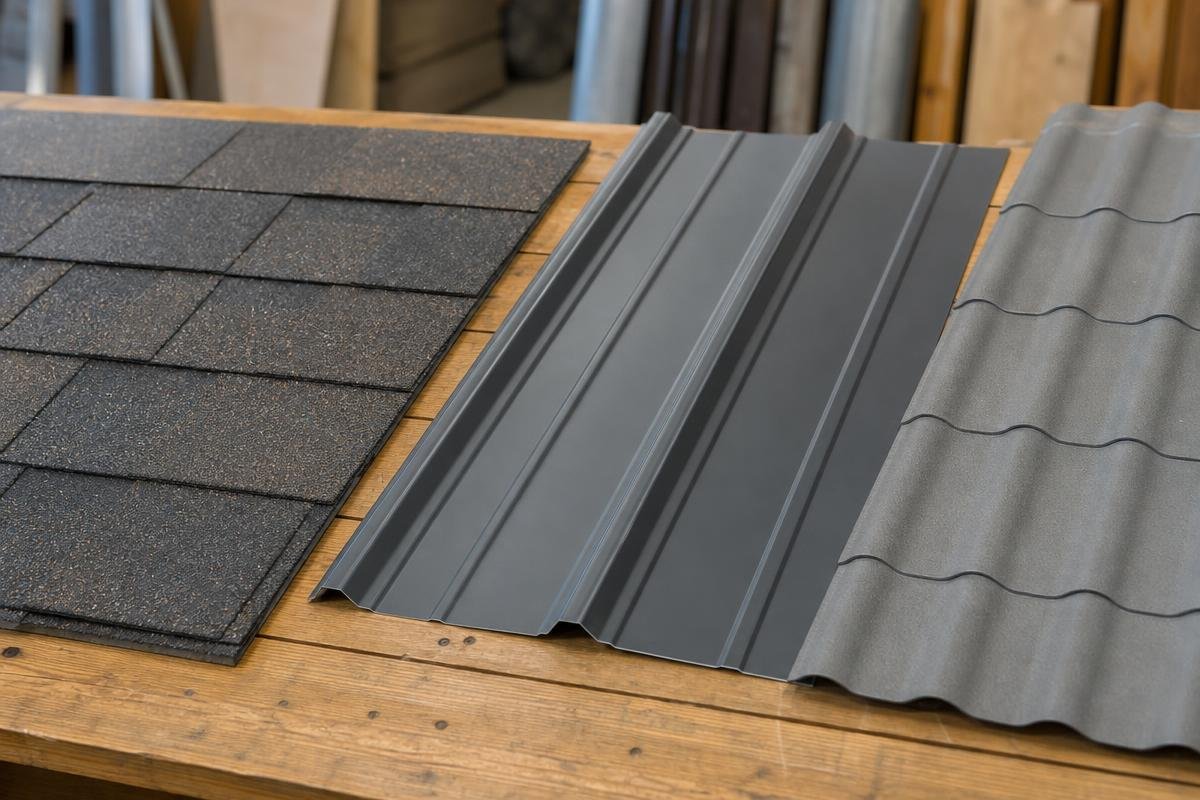
Greer roofs take a beating. More than 50 inches of rain a year, spring hail that can strip granules in a single storm, and summer heat that pushes 95°F mean your roof is working hard every single day. If your home sits in an established Greer neighborhood like Sugar Tit Road or off Wade Hampton Boulevard, there's a real chance the original roof is at or past its lifespan. Choosing the right roofing materials from the start makes all the difference. American Siding & Construction LLC has served Greer and the surrounding Greenville and Spartanburg county area for years, and we know what holds up in this climate and what doesn't.
Not sure which roofing material is right for your Greer home? Get a free material recommendation from our team.
Request My RecommendationCall (864) 505-4491Key Takeaways
- Greer's heat, hail, and heavy rainfall make roofing material selection more critical than in milder climates.
- Asphalt shingles are the most common roofing material in the Upstate, but they aren't always the best long-term choice.
- Metal roofing and synthetic options can outlast asphalt by decades in South Carolina's thermal cycling conditions.
- Many Greer homes built in the 1980s and 1990s are at or near the end of their original roof's lifespan.
- The right material depends on your budget, roof pitch, and how long you plan to stay in the home.
How Does Greer's Climate Wear Out a Roof?
Greer's climate ages a roof through a punishing combination of UV heat, humidity, and hail. Check your downspout splash block after a summer storm in Greer. See those dark granules pooling in the gravel? That's your roof aging in real time. Upstate summers hold in the low 90s for weeks, the humidity never lets up, and afternoon thunderstorms roll through with hail that leaves marks. UV exposure here degrades asphalt shingles faster than a comparable roof in the Midwest will ever see.
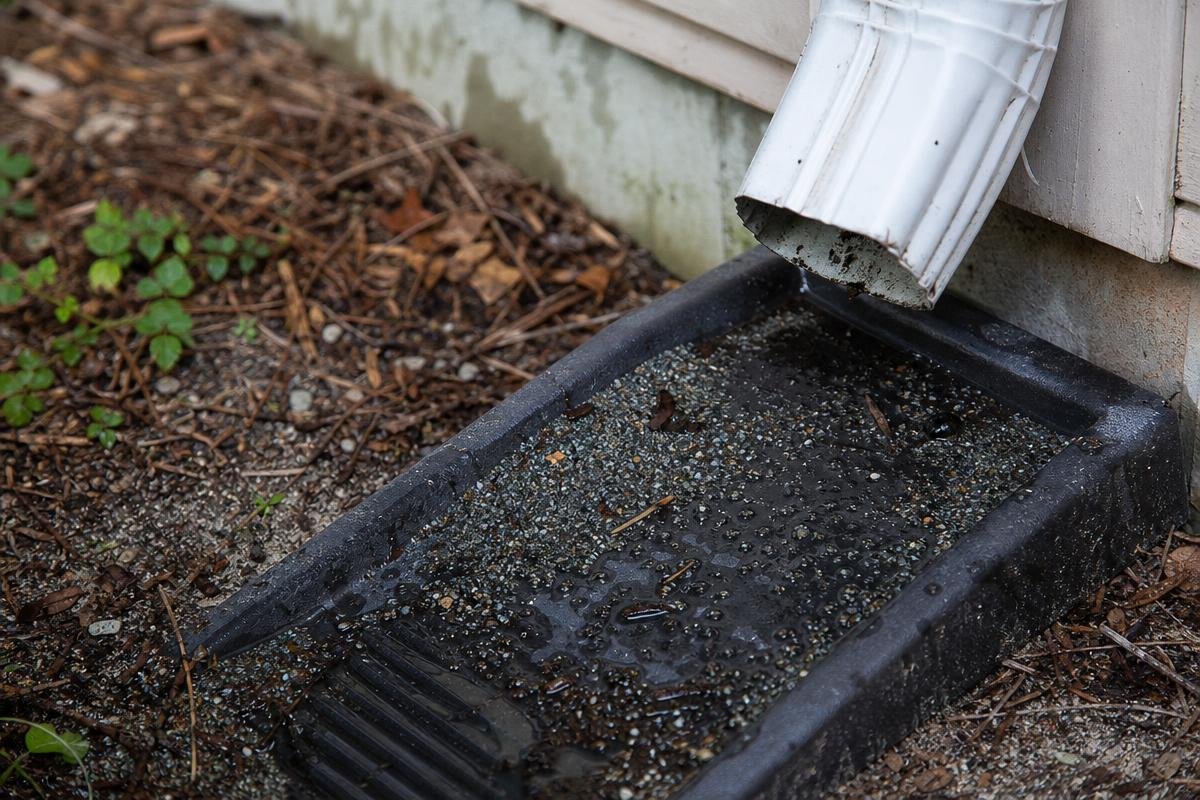
Add that same rainfall load to thermal cycling from January cold snaps to August heat, and you have a combination that shortens roof lifespans and catches a lot of homeowners off guard. If your home was built in the 1980s or 1990s, the original roof may already be on borrowed time.
This article breaks down 6 common types of roofing materials, what they cost installed, how long they last, and which ones hold up best in this climate. No fluff. Just what you need to make a smart call.
Why Does Your Roofing Material Choice Matter More in Greer?
Your material choice matters more here because the roof that works in Phoenix won't survive a Greer summer, or a Greer January. Zip codes 29650 and 29651 sit in USDA Zone 7b/8a, a climate that swings from 95-degree summers to ice storms in winter. That range punishes the wrong roofing material fast. Picking the best roofing material for South Carolina means understanding exactly what your roof is up against before you buy a single shingle.
High UV Index and Summer Heat
Those extended summer highs drive thermal expansion and contraction in metal panels and accelerate granule loss in asphalt shingles far faster than you'd see in a northern climate. A shingle rated for 25 years up north may give you 18 here in Greer. Material grade matters more than the warranty number printed on the box.
Humidity, Rainfall, and Algae Growth
The Upstate's heavy annual rainfall feeds Gloeocapsa magma, the airborne algae responsible for the black streaking you see on north-facing shingles across Greer subdivisions. It's not dirt. It's biology, and it spreads.
The fix isn't pressure washing. It's copper-infused granules. Shingles like GAF Timberline HDZ with StainGuard are engineered specifically to resist algae colonization. If your current roof is streaking, that's a sign your material isn't matched to this climate.
Hail and Wind: Storm Damage Is a Real Budget Line Here
Greer sits squarely in the path of the spring and summer convective storms that drive insurance claims across both Greenville and Spartanburg counties. South Carolina building code requires roofing to meet ASTM D3161 Class F wind resistance. That's not a technicality. It's a real-world minimum for residential roofing in this region.
Most homeowners discover their roof's material limitations after a storm, not before. If you've had recent hail or wind damage, our roofing and exterior blog covers what to look for before calling your insurance company. And if you want to see the kind of work we do across the region, browse our completed roofing and siding projects in the Upstate.
The 6 Most Common Roofing Materials for Greer Homes
Not all roofing materials are built for the same conditions. Heavy rainfall, weeks of triple-digit heat index days, and the occasional spring hailstorm narrow your options fast. Here is a straight look at each material type, what it costs installed, and how it holds up in real Greer conditions. If you want to see how these materials look on finished homes, check out our completed roofing and siding projects.
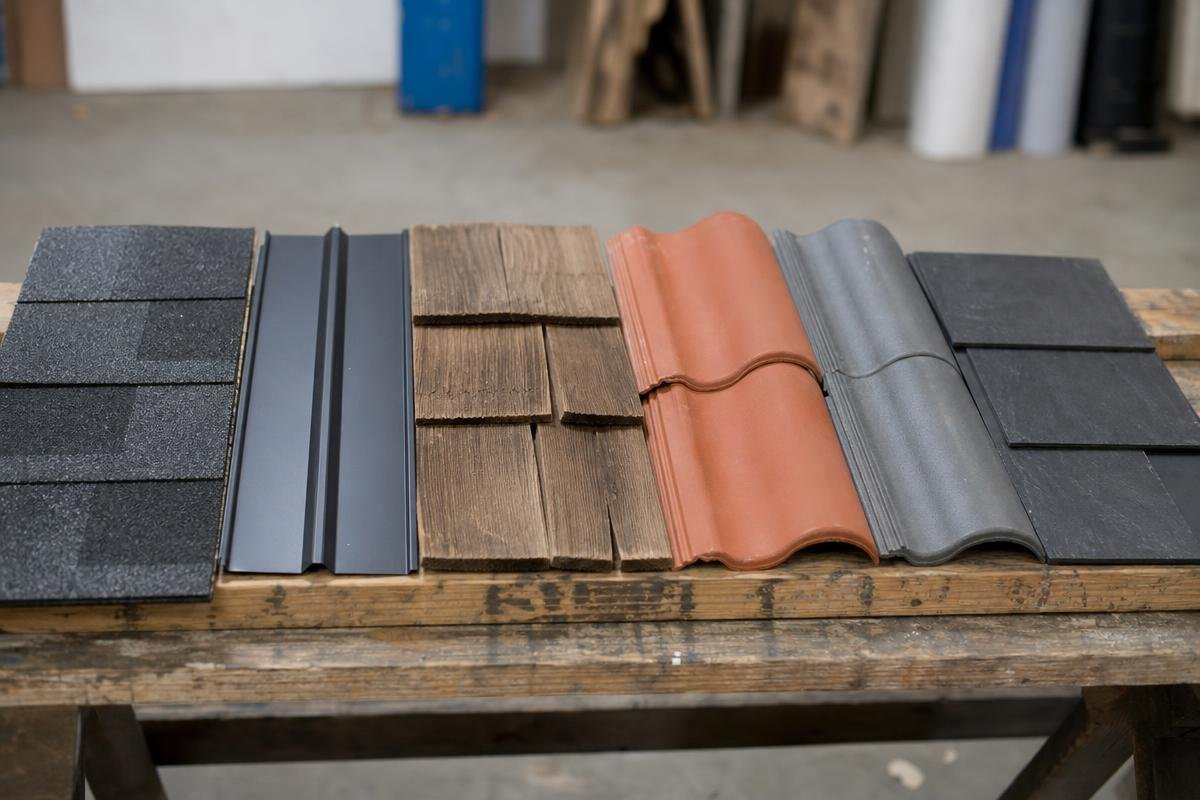
Asphalt 3-Tab Shingles
- Installed cost: $3.50 to $5.50 per sq ft
- Lifespan: 15 to 20 years
- Best for: Budget replacements, rental properties, short-term holds
This is the most affordable entry point for any roof replacement. The catch: granule loss accelerates under the UV exposure and thermal cycling common across the Upstate. You will get your money's worth, but do not expect a full 20 years out of them in this climate without regular upkeep.
Architectural (Dimensional) Shingles
- Installed cost: $5 to $8 per sq ft
- Lifespan: 25 to 30 years
- Best for: Most residential replacements; Class 4 impact-resistant versions available for hail-prone areas
GAF Timberline HDZ and CertainTeed Landmark are the two we install most often. These dominate new installs across Greer for good reason. They are thicker, more wind-resistant, and the Class 4 impact-rated versions can qualify you for an insurance discount after a hail event. This is the sweet spot for most homeowners comparing asphalt shingles vs metal roofing on a budget.
Standing Seam Metal Roofing
- Installed cost: $10 to $16 per sq ft
- Lifespan: 40 to 70 years
- Best for: Long-term value, storm performance, energy savings
Steel or aluminum standing seam reflects UV heat and reduces your cooling load through those long Upstate summers. It sheds water fast, handles hail well, and needs almost no maintenance. Higher upfront cost, but the math works out over time. Learn more about roofing and exterior installation services we offer across the area.
Curious how standing seam metal looks on real Upstate homes? Browse our finished installs.
View the Project GalleryWood Shakes and Cedar Shingles
- Installed cost: $7 to $12 per sq ft
- Lifespan: 20 to 30 years with maintenance
- Best for: Craftsman and older homes in established neighborhoods
Wood shakes look great on older homes in and around Greer. But South Carolina humidity is hard on them. Annual treatment is not optional here. Skip it and you are looking at rot and moss within a few years. They require more commitment than most homeowners expect.
Concrete and Clay Tile
- Concrete tile installed cost: $9 to $14 per sq ft, lifespan 40 to 50 years
- Clay tile installed cost: $12 to $20 per sq ft, lifespan 50-plus years
- Best for: Custom builds with adequate structural support
Concrete tile runs 9 to 12 lbs per square foot. That is a real structural load. Older Greer homes built before modern truss standards may need rafter reinforcement before tile is even an option. Clay tile is more common on coastal SC custom builds, but we do see it specified on higher-end custom homes in the Greer area.
Synthetic Composite Roofing
- Installed cost: $8 to $14 per sq ft
- Lifespan: 30 to 50 years
- Best for: Homes where wood shake or slate aesthetics are wanted without the weight or maintenance
DaVinci Roofscapes and CertainTeed Landmark TL are the brands we see gaining ground fast. They mimic wood shake or slate, carry a Class A fire rating, and weigh a fraction of what tile does. For older craftsman-style homes where wood shake is not practical anymore, synthetic composite is the move. It is one of the fastest-growing types of roofing materials we install across the region.
Which Roofing Material Fits Your Situation?
The specs matter, but so does your situation. A homeowner planning to sell in five years has a very different decision than someone in a newer Greer build who plans to stay for decades. Here's a fast reference, then some plain-English guidance below.
| Material | Avg Installed Cost (per sq ft) | Lifespan | Upstate SC Suitability | Best For |
|---|---|---|---|---|
| 3-Tab Asphalt | $3.50 to $5.00 | 15 to 20 yrs | Fair | Short-term budget replacement |
| Architectural Shingles | $4.50 to $7.00 | 25 to 30 yrs | Good | Most homeowners, best value |
| Standing Seam Metal | $10.00 to $16.00 | 40 to 70 yrs | Excellent | Long-term owners, high-wind areas |
| Metal Shingles | $7.00 to $12.00 | 30 to 50 yrs | Very Good | Metal durability with traditional look |
| Synthetic Shake | $7.00 to $11.00 | 30 to 50 yrs | Very Good | Craftsman or historic homes |
| Tile (Concrete/Clay) | $10.00 to $18.00 | 40 to 50+ yrs | Good | Mediterranean styles, strong structure |
Selling Within 10 Years?
Architectural shingles are the right call. They look sharp, carry a solid warranty, and buyers recognize them. You get the return without overpaying for a 50-year roof you won't be around to use. The asphalt shingles vs metal roofing debate usually resolves itself here: metal's math only works if you stay long enough to recoup the upfront cost.
Staying 20-Plus Years?
Price out standing seam metal. The higher upfront cost spreads across a much longer lifespan, and South Carolina's heat, humidity, and hail take a real toll on asphalt over time. Metal holds up. It's one of the best roofing materials for South Carolina homeowners who plan to stay put.
Want the Wood Look Without the Headache?
Synthetic shake gives you the craftsman character of real cedar without the rot, splitting, or constant maintenance. Older Greer homes with steep gables are a natural fit. Local climate conditions play into this choice too. See our full roofing and exterior services if you want to talk through what fits your specific home.
What Goes Into a Roof Beyond the Shingles?
A complete roof is far more than shingles. The shingles are really just the outermost layer. What's underneath them determines how well your roof holds up through heavy annual rainfall, long stretches of summer heat, and the kind of wind-driven rain that can arrive over Greer on a Tuesday afternoon with no warning. A complete roofing system has several components, and skipping or cheapening any one of them shortens the life of the whole roof.
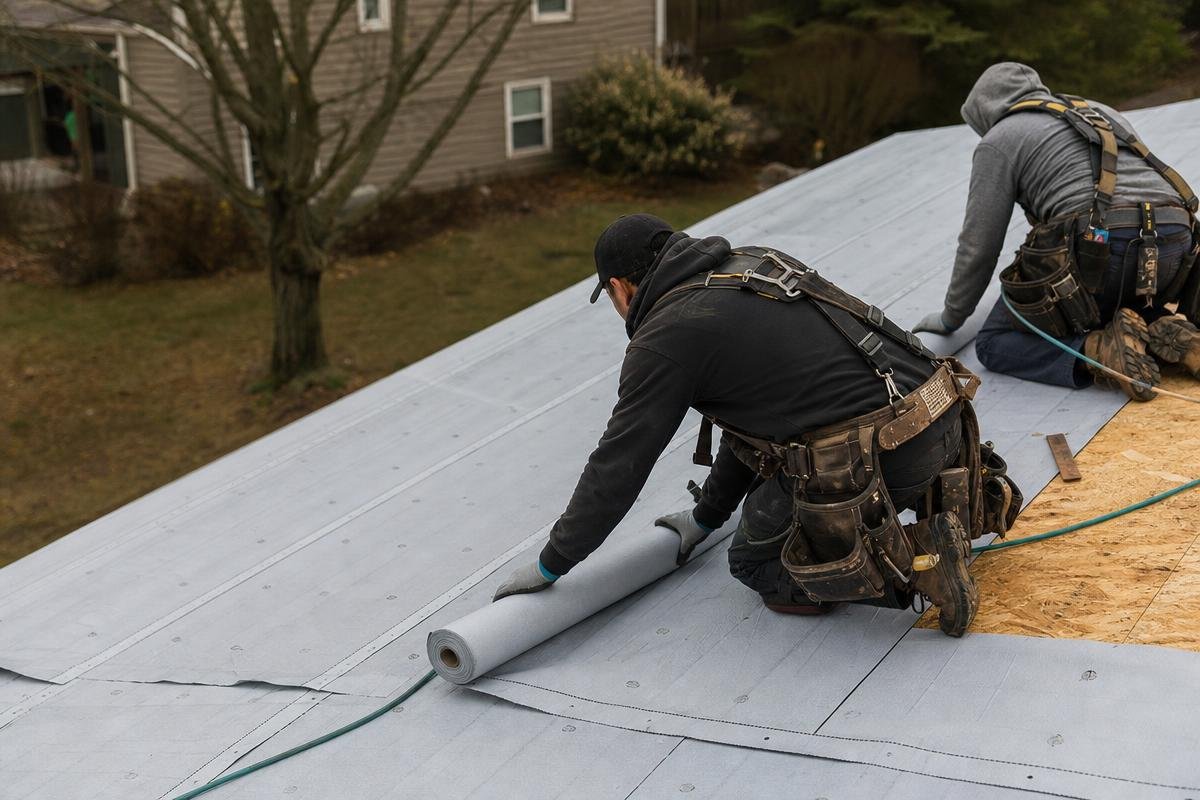
Underlayment and Ice-and-Water Shield
Synthetic underlayment, like GAF FeltBuster, has replaced traditional felt on quality installs across South Carolina. It resists moisture, tears less during installation, and holds up better under the UV exposure that comes with our long roofing seasons. It is now the standard on any install we do.
Ice-and-water shield is not optional here. SC building code requires it at eaves and valleys. In our climate, it also does something else: it blocks wind-driven rain from pushing up under shingles during summer convective storms. Greer homes see this kind of intrusion damage more than people expect. Ice-and-water shield is the layer that stops it before it reaches your decking.
Flashing, Ridge Vents, and Drip Edge
Flashing is what seals the transitions: step flashing at wall intersections, valley flashing where two roof planes meet. Open valley flashing is more durable and easier to maintain than closed valley. Both need to be done right or water finds a way in. Ridge cap shingles and ridge vent systems are different things. Ridge vents are for ventilation; ridge caps are a finish layer. You need both, and they serve different purposes.
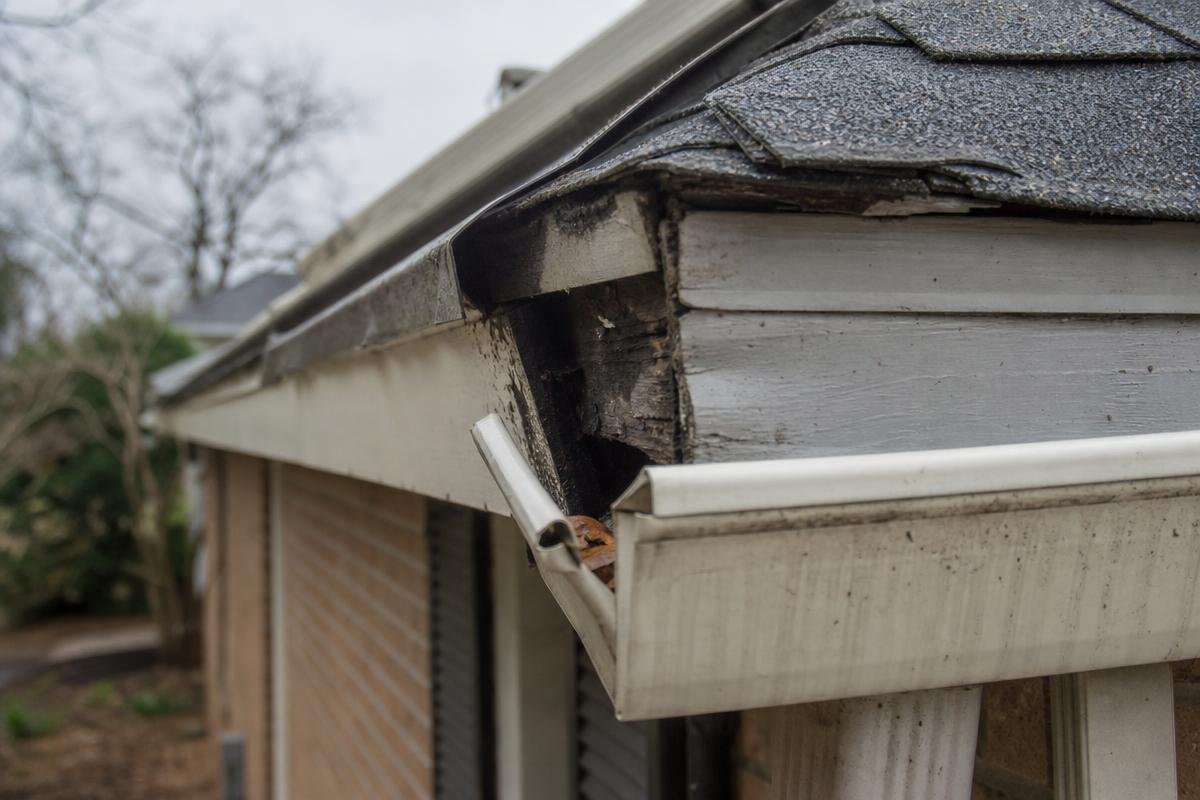
Poor attic ventilation is one of the top causes of early shingle failure in South Carolina's heat. A roof that traps heat degrades faster, plain and simple. Drip edge is required under SC residential code (IRC R905.2.8.5). It is a small piece of metal that keeps water off your fascia and out of the roof edge. It is not glamorous, but skipping it causes rot.
See the full range of roofing and exterior services we offer if you want to know what a complete installation looks like from us.
Questions about what your Greer roof actually needs underneath? Call us at (864) 505-4491 and we will walk you through it.
Schedule a Roof InspectionStorm Damage and When to Call a Roofer in Greer
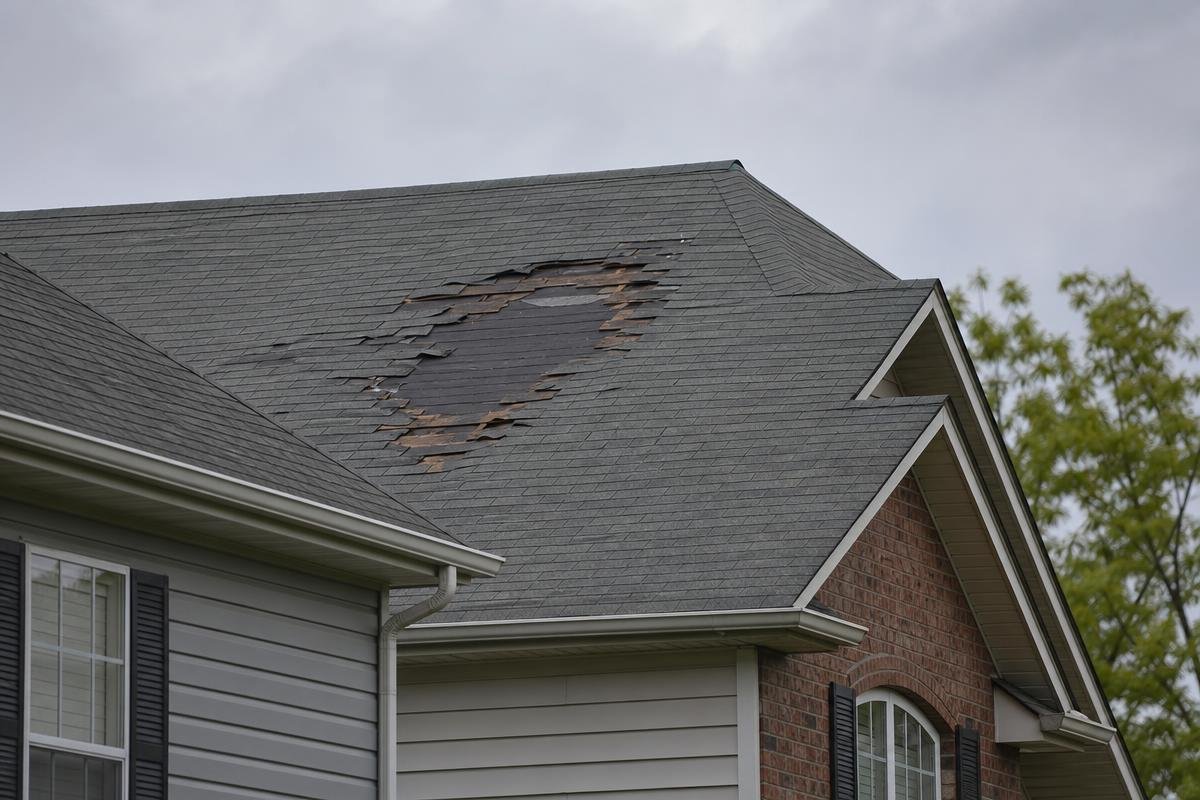
Greer sees some serious convective storms from spring through late summer. Hail, high winds, and heavy rain can do real damage to a roof, and that damage is not always obvious from the ground. Knowing what to look for after a storm can save you a much bigger repair bill later.
How Do I Know If My Roof Took a Hit After a Storm?
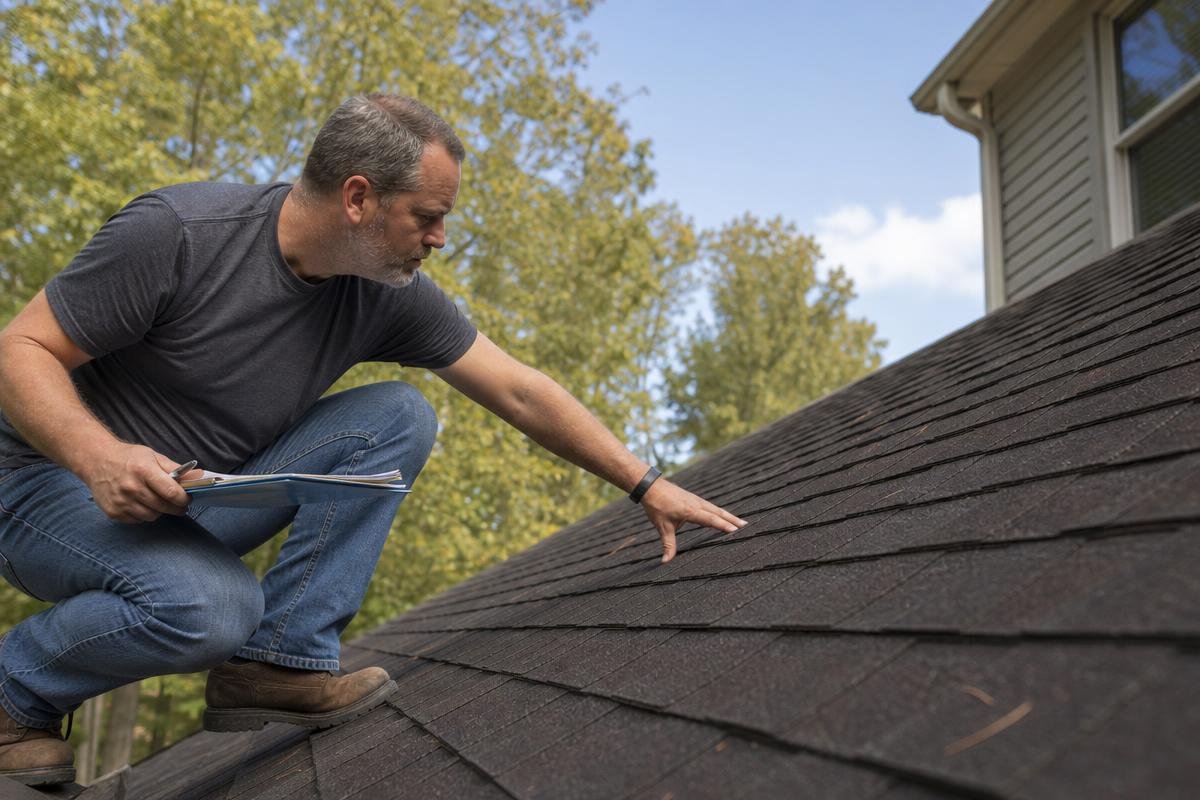
The fastest sign is granule buildup in your gutters and downspouts after a storm, which means your asphalt shingles took a beating. From the ground, look for lifted or missing shingles, a dented ridge cap, or flashing that has shifted away from the chimney or vents.
Hail damage on asphalt shingles often shows up as random dark bruising, soft spots that look like a thumb pressed into the shingle. You usually cannot see this from the street. A post-storm inspection within 48 to 72 hours is the right window. While you are waiting on a professional, check your attic for any daylight coming through the decking. If you spot active leaking, our blog covers interim steps you can take before a roofer arrives.
Homes near the GSP airport corridor and along Pelham Road face the same storm exposure that hits central Greer. Age matters too. A 25-year-old roof in a 1990s subdivision takes a storm hit differently than a newer install with modern underlayment.
Insurance Claims and What to Document First
Before any tarping or temporary repairs go on, photograph everything. Get wide shots and close-ups. Note the exact storm date and time, your insurer will ask for it.
Contact your insurance company before you schedule a full replacement. A licensed contractor's written damage assessment often results in a more complete claim than the adjuster's estimate alone. Adjusters work fast and can miss secondary damage. We walk through this process with homeowners regularly. You can see the kind of exterior work we complete across the area to get a sense of what a proper roof repair or replacement looks like start to finish.
- Photograph damage before any repairs
- Note the storm date
- Call your insurer first
- Get a written contractor assessment
- Compare it to the adjuster's estimate
How American Siding & Construction Approaches Roofing in Greer
We cover both Greenville and Spartanburg counties, including Greer zip codes 29650 and 29651, plus nearby communities that share the same climate and the same aging roof problems. Our roofing, siding, gutters, and exterior work all run through the same crew. That matters more than it sounds.
The crew that starts your project is the crew that finishes it. No handoffs. No subcontractors showing up who have never seen your roof. When we talk about residential roofing in this area, we mean asphalt, metal, and synthetic installs, and we walk you through which material fits your home's age, structure, and budget before a single nail goes in. Our team serving the Greenville, SC area carries that same approach across every county line we cross.
143 Google reviews and a 5-star average did not come from doing halfway work. They came from showing up on time, using the same materials we quoted, and standing behind the warranty when something needs attention.
If your roof is pushing 20 years, or a spring storm left you with missing shingles and a sick feeling in your stomach, give us a call. We will look at it, tell you what we see, and give you a straight answer. Reach us at (864) 505-4491 to set up a roofing consultation. No pressure. Just honest information so you can make a good call.
Frequently Asked Questions
What is the best roofing material for a home in Greer, SC?
For most homes in the Greenville and Spartanburg county area, architectural asphalt shingles are the most practical choice. They balance upfront cost, a 25-30 year lifespan, and solid wind and hail resistance. If you plan to stay in your home 20-plus years, standing seam metal is the better long-term investment among the types of roofing materials available.
How long do asphalt shingles last in South Carolina's climate?
3-tab shingles typically last 15-20 years here. Architectural shingles run 25-30 years with proper attic ventilation. Poor ventilation is the single biggest reason roofs fail early in this climate. Summer heat and UV exposure accelerate granule loss faster than in northern states, so ventilation is not optional.
Is metal roofing worth the higher upfront cost in Greer?
It depends on your timeline. Metal runs $10-$16 per square foot installed versus $5-$8 for architectural shingles. The payoff is a 40-70 year lifespan, lower maintenance, and potential insurance discounts for impact-resistant ratings. Greer homeowners who plan to stay long-term consistently find metal pencils out over time.
Which roofing materials offer the best hail resistance?
Class 4 impact-resistant architectural shingles and standing seam metal are your two best options. GAF's Timberline HDZ with ArmorShield II is a strong Class 4 shingle choice. In South Carolina, Class 4 ratings can qualify you for insurance premium discounts, which offsets some of the cost difference in the asphalt shingles vs metal roofing comparison.
When should I replace my roof instead of repairing it?
Replace rather than repair when more than 25-30 percent of shingles are damaged, granule loss is widespread, or your roof is within five years of its expected lifespan. Patching a roof that's already failing just delays the inevitable and can mask water damage underneath. Our blog covers interim steps if you're dealing with an active leak while planning a full replacement.
Can I replace my roof and siding at the same time?
Yes, and it often makes sense to do both together. One crew, one schedule, no gaps between trades. Materials and finishes get matched from the start. See our full roofing and exterior services to understand what we handle under one project.
Ready to talk through which roofing material makes sense for your home? Call our team at (864) 505-4491 or visit americansidingandconstruction.com to schedule a roofing consultation. We serve Greer, Greenville, Spartanburg, Mauldin, and communities across both counties. The crew that starts your project is the crew that finishes it.
Ready to Get Started with American Siding & Construction LLC?
Call (864) 505-4491 to speak with our team directly. We're ready to answer your questions, walk you through your options, and help you find the right roofing material for your Greer home. Whether you're just starting to plan or ready to move forward, we'll make the process simple and stress-free.
Reach out today and let's talk about how we can protect your home.
Get My Free EstimateCall (864) 505-4491Thinking about a project like this?
Get a free estimate