Siding
Replace or Repair? 7 Signs Your Siding Is Past Its Prime
Not every soft spot means a full re-side. Here's how we triage it on a walkthrough, and the few signs that mean it's time.
January 9, 2026 · 5 min read
Start at the bottom
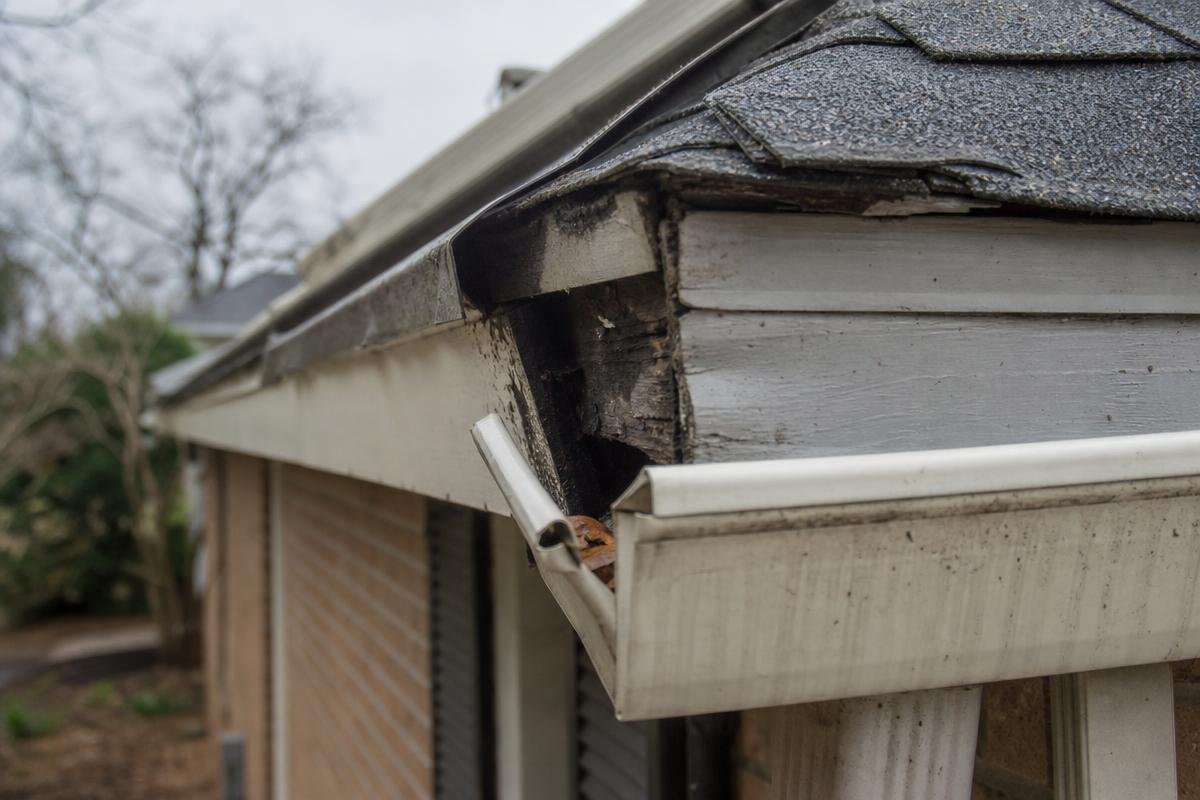
Most siding failures start within 3 feet of the ground or near a roof-wall junction. Splash-back, sprinkler overspray, and missed kickout flashing all dump water exactly where the siding is most vulnerable.
If your damage is concentrated in one area, you're often looking at a localized repair plus a flashing fix, not a full replacement.
The 7 signs to watch for
1. Paint peeling in sheets, not flakes, moisture is coming from behind the board.
2. Soft spots when you press with a screwdriver.
3. Visible gaps where caulk has failed at trim, windows, or butt joints.
4. Warped or cupped boards, common on engineered wood that wasn't sealed on the cut ends.
5. Mold or staining that returns within months of cleaning.
6. Interior signs: blistered drywall paint, musty smells, or stained baseboards on exterior walls.
7. A siding system that's simply at the end of its life, most masonite, T1-11, and early-generation vinyl is well past 25 years now.
Repair vs replace economics
Spot repairs run $400–$1,800 depending on access and finish matching. A full re-side on a typical Upstate home is $18,000–$45,000.
If your damage is in more than two areas, or you're hitting age-related failure across the whole house, repairs become a losing game, you'll spend $5K patching a house that needs $25K of work.
Thinking about a project like this?
Get a free estimate